In recent years, our politicians have regularly used the phrase ‘world-beating’ to describe all-manner of things. Against a backdrop of lacklustre growth, such boosterism can feel tired.
Yet one area where the UK genuinely leads is the creative industries.
From high-end drama like Peaky Blinders, to global hits like Strictly Come Dancing and Frozen Planet, and artists from The 1975 to Little Simz, we punch above our weight in setting the global cultural weather.
What brings these examples together is that they were first given a platform by our national broadcaster.
And while the UK works out where it sits in a changing world order, the BBC World Service helps us stay relevant, projecting British soft power abroad.
That helps to explain why, even if we rail against it on occasion, the BBC is one public institution which still holds an important, oft treasured place in our national identity and cultural life.
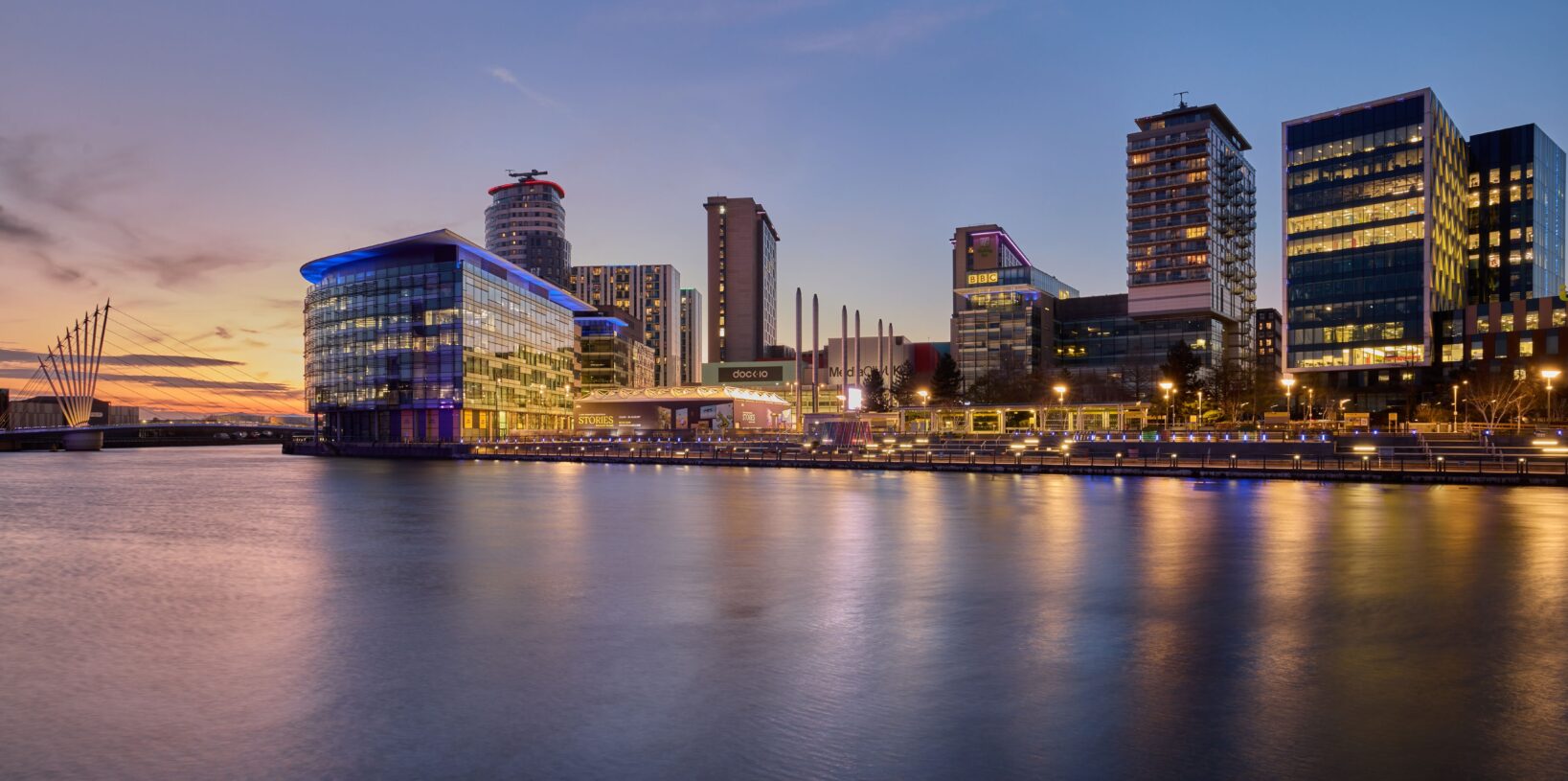
It powers growth too. During my 15 years at the BBC, and now as CEO of the UK’s creative and tech cluster at MediaCity in Salford – which sits at the heart of Greater Manchester’s new creative growth zone – I’ve seen whole industries and places transformed when it leads from the front.
Despite all its good work, there is more it can and should do to catalyse growth right across the UK.
For years, the BBC has been required to spend money on programmes made outside of London. Now imagine what could be achieved if similar quotas were extended to the £1 billion plus the BBC spends on tech, services and facilities. Doing so would supercharge UK industries, help drive out regional inequalities and ensure maximum license fee value remains here rather than flowing overseas, particularly to US technology providers.
That said, the BBC has never felt more threatened at any point in its 100-year history.
Tim Davie is right to say that this is not just a BBC problem. But as the lynchpin of our creative economy, without a functional BBC we’ll continue ceding ground and lose that coveted ‘world-beating’ tag. That doesn’t only damage national pride. It hits us in the pocket, as an industry which makes up 5% of our GDP could begin to shrink.
That’s why it’s very welcome that the Culture Secretary has set out a bold plan to guarantee the BBC’s future by granting a permanent Royal Charter and placing this vital national institution on a fully secure footing.
But a permanent Charter must not be a blank cheque to perpetuate the status quo; rather a show of faith that must be matched by the sort of bold forward thinking that is necessary to restore public trust.
Three simple changes would go a long way to achieving this.
Firstly, we need to safeguard a truly independent BBC. The greatest threat to its future is not competition from global streaming services (significant though that is), but a loss of public confidence in its independence. The BBC Board must therefore be fully independent, with no political appointees.
Secondly, we need to close the ‘Out of London’ spend loophole. Current reporting allows production spend in the Home Counties to be classified as “out of London”, undermining the intent of regional investment commitments. When evidence suggests that every two BBC jobs create an additional one in the private sector, addressing this loophole could directly lead to job creation in those areas that need them most.
Thirdly and most importantly, we need to deliver genuine and permanent devolution, with leadership anchored in the North. Previous initiatives have failed to embed lasting change, with money and jobs all too often seeping back to London. I welcome the BBC’s commitment to having more commissioning roles based out of London, but this must mean true relocation for the people fulfilling them. And even then, they alone cannot address where real influence sits.
Leadership comes from the top, which is why it’s now time for the Director General of the BBC to be based in the North, creating an irreversible commitment to growth, creative potential and accountability to the whole country.
For those of us that cherish our national broadcaster, now isn’t the time to be squeamish. Doing so only cedes ground to those who would see it dismantled. We must be bold – and so must the BBC – if it is to make the most of its new certainty and survive for another 100 years.